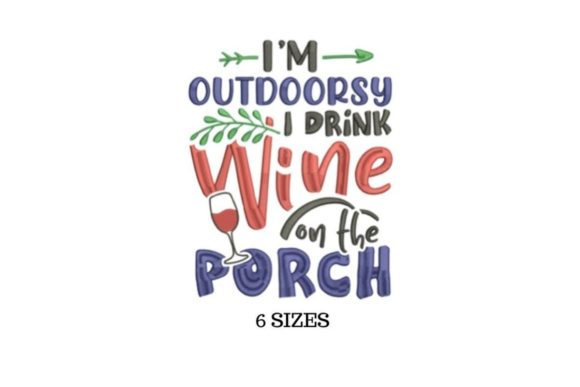
Wine on the Porch Embroidery Design Review
First Impressions: A Relaxed, Witful Design
Looking at Wine on the Porch from a product development perspective, the title and description immediately evoke a relaxed, humorous, and slightly rustic mood. This isn't a formal or elegant wine design; it feels like a warm, witty gift for someone who enjoys their leisure time. That "funny" element mentioned in the description is key—it suggests a lightheartedness that can connect instantly with customers browsing a craft fair booth. The mood leans towards casual, farmhouse-inspired, and conversational. It’s decorative, but with a personality that makes it feel like a premium handmade product when stitched well.
The Real-World Booth Display Test
Imagine your craft fair table: tote bags, aprons, tea towels, caps, and a few pillow covers as focal pieces. Wine on the Porch needs to stand out in that mix. My first thought is that this design would be a strong candidate for a central display item, like an apron or a larger tote bag, placed prominently to draw in the wine-loving crowd. Its conversational nature means it can spark a smile and a comment, which is gold for buyer engagement. On a crowded table, a design with a clear, relatable theme like this helps customers self-select. They’ll notice it quickly if it’s on a product they already associate with relaxation—like a kitchen towel or a market bag.
Where It Stitches Out Best: Product Application Analysis
Let’s walk through specific products. The description says it will stitch out wonderfully, but as an embroidery designer preparing for batch production, I look at the practical fit.
High-Impact & High-Value Items
Tote Bags and Market Bags: This is a top contender. The relaxed theme matches the bag’s use. Wine on the Porch as a large, central design on a neutral canvas tote instantly creates a sellable, giftable handmade product. It photographs well for Etsy listings and printable mockups.
Aprons: Another natural fit, especially for a kitchen or hostess apron. The humor works perfectly here. Position it on the bib or pocket for maximum visibility.
Tea Towels & Kitchen Towels: A classic. The design needs to be sized appropriately for the towel’s width. Watch for fabric texture; a smooth cotton or linen will show the stitches best.
Accent & Accessory Items
Embroidered Patches: Wine on the Porch could be excellent as a standalone patch, but careful-use notes apply. Small lettering or tiny details mentioned in the description might lose clarity at a very small patch size. Test it first.
Caps: Challenging but possible. Curved surfaces require good stabilizer and a design that’s not overly dense. Evaluate if the lettering remains legible on the curved cap front.
Fabric Pouches & Pillow Covers: For pouches, consider a smaller accent version. On pillow covers, it becomes a decorative statement piece, increasing perceived value.
Production Notes: From Digital File to Finished Product
You have a machine embroidery design with multiple embroidery file formats, which is excellent for flexibility. Before running a batch for your weekend fair, here’s my checklist.
Practical Embroidery Designer Checklist
- Test on Scrap Fabric First: Always. Use the actual fabrics you’ll sell on—canvas for totes, twill for caps, linen for towels. Check for puckering.
- Check Thread Contrast: On dark fabric, you may need lighter or metallics for the text to pop. On light fabric, a deep wine color could be perfect.
- Review Stitch Density: The description doesn’t specify, but dense stitch areas can be problematic on lightweight or textured towels. Inspect the stitchout.
- Confirm Hoop Size: Match the design’s ideal size to your product. A large tote needs a bigger hoop; a small pouch needs a smaller design version.
- Use the Right Stabilizer: This is critical for clean stitchouts on different fabrics, especially for commercial embroidery quality.
- Create One Real Mockup: Before batch production, stitch one complete, finished product. See how it feels, looks, and hangs on your booth display.
- Compare Fabric Colors: How does Wine on the Porch look on cream, black, navy, or wine-colored fabric? Offer variety.
- Confirm Commercial Licensing: Since you’re selling finished products, ensure your digital embroidery file license allows this. Check the provider’s terms.
Customer Attention & Product Value
This design boosts visual appeal by being instantly understandable. At a glance, customers get the joke and the theme. That speeds up the buying decision. On a well-made tote or apron, it elevates the item from a generic handmade product to a personalized, thoughtful gift. The handmade quality is showcased in the stitching—if it’s clean and precise, it reinforces your brand’s consistency and skill.
Booth Display Strength
For booth display, I’d make Wine on the Porch a small collection. Have a tote bag hanging, an apron displayed flat, and a tea towel folded neatly. This repetition of the theme across products creates a mini "collection" within your booth, strengthening your display and making your table look cohesive and professional.
Final Considerations for the Creative Entrepreneur
Wine on the Porch is a promising craft fair product design. Its success hinges on pairing it with the right product and executing the embroidery professionally. It’s likely more effective as a medium-to-large focal design rather than a tiny accent, given its likely illustrative and textual elements. For Etsy sellers and small shop product lines, it offers a trendy, relatable niche. Remember, the best online listing will include a photo of the actual stitched product on the fabric, not just a digital mockup, to showcase the texture and true colors.
Before your fair, invest time in that single perfect sample. Stitch it out, finish the product, and see it as a customer would. That will tell you exactly where Wine on the Porch will shine on your table, turning a digital embroidery file into a profitable, engaging finished product.