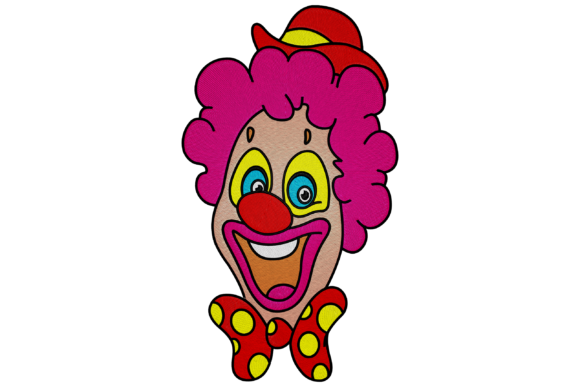
The Clown Embroidery Design: A Business Branding Review
As an embroidery designer who works with small businesses daily, I approach every new design file with a practical eye. Today, I’m reviewing Clown, a machine embroidery design. My review focuses squarely on its potential for commercial use—for turning a digital file into branded patches, staff apparel, and merchandise that builds a business’s identity.
First Impression: Visual Personality for Brand Identity
The name Clown immediately suggests a playful, friendly, and approachable character. This isn’t necessarily a literal clown face; the title evokes a sense of whimsy and handmade charm. For a small business, this can be a powerful asset. A café wanting a warm, community feel, a creative studio highlighting its playful process, or a boutique selling unique gifts could leverage this personality. The design feels decorative but also bold enough to serve as a recognizable mark. Its high-quality description suggests clean lines and good stitch construction, which translates directly to a professional finished product.
Real-World Business Applications
Let’s walk through concrete scenarios where Clown could elevate a brand’s physical presence.
Embroidered Patches for Product & Packaging
For a handmade shop or Etsy seller, an embroidered patch is a premium product accent. Sewing a Clown patch onto a tote bag, apron, or even a pillow transforms it into branded merchandise. As a sleeve detail on a staff shirt for a bakery or florist, it adds a uniform touch without being overly corporate. The key here is scalability: the design must retain its integrity when stitched small.
Uniforms & Workwear: Aprons, Caps, and Shirts
Staff apparel is a daily branding opportunity. Clown embroidered on a chef’s apron for a small restaurant or on the front of a cap for a delivery service creates visual consistency. For a pet brand or local studio, it on a polo or sweatshirt becomes part of the team’s identity. This builds customer trust through recognizable, professional presentation.
Tote Bags & Customer Gift Merchandise
Merchandise drives engagement. A tote bag with a clean Clown design is a functional item that carries your brand into the community. As an event merch piece or a customer loyalty gift, it increases product value and serves as a walking advertisement. The design’s described versatility across pillows, t-shirts, and sweatshirts confirms its suitability for these varied fabrics.
Critical Considerations for Production Success
Business use demands reliability. Here are the practical points every embroidery shop or decorator must check.
Testing for Small Sizes & Challenging Surfaces
Before any production run, test Clown at your intended size. For a small patch or a cap front—especially on curved surfaces—detailed outlines or tiny elements might lose definition. High stitch density can cause puckering on lightweight fabrics. Always test on real fabric first, using the proper stabilizer for the material, whether it’s a canvas tote bag or a textured work shirt.
Color Contrast & Fabric Compatibility
Thread color choice is crucial for brand identity. A simple but vital step: test the design in black and white thread first to gauge its core form. Then, review thread color contrast against your typical uniforms—dark fabrics need lighter, bold threads for visibility. This ensures the design pops on dark aprons or work shirts and maintains recognition after frequent washing.
The Pre-Production Checklist
- Confirm the specifics: While the design comes in multiple embroidery file formats, always verify the exact formats match your machines. Check the commercial licensing terms before business use.
- Create a mockup: Use a printable mockup or a small stitch-out to get client approval. This avoids surprises and aligns expectations for the handmade product.
- Compare design assets: Place the stitched sample beside your other branding elements. Does Clown fit your visual identity—playful, rustic, modern? Does it enhance your brand’s story?
- Hoop size and stabilizer: Match the design’s requirements to your item. A large sweatshirt chest logo needs different handling than a delicate sleeve accent on a uniform.
Where to Use With Care
While versatile, some applications require extra attention. On items with very small patch sizes, intricate details might become lost. If the design has high stitch density, it could be too stiff for lightweight, flowing fabrics. Embroidering on curved surfaces like cap fronts demands excellent digitizing to prevent distortion. Always consider the end-use: an apron design for a busy kitchen must withstand washing and wear, so durability in the stitch structure is key.
Building Your Brand With Embroidery
Ultimately, a design like Clown is more than decoration; it’s a business tool. For a small café, it can make a staff apron feel part of a family. For a craft business, it turns a plain pillow into a signature product. For an Etsy seller, it provides a consistent brand mark across all custom apparel. It boosts professionalism, makes your products feel more valuable, and engages customers through tangible, well-made items.
The promise of multiple embroidery file formats means flexibility for shops serving various clients. By treating this digital embroidery file as a core design asset, you can build a suite of branded merchandise that tells your business’s story—playful, friendly, and crafted with care. Remember: the final test is always in the hoop, on the fabric, and in the hands of your customer.