The Peony Embroidery Design: A Real Project Review from a Designer's Perspective
As an embroidery designer who frequently sources files for commercial projects and handmade goods, I approach every new design with a critical eye. It’s not just about whether a file is pretty; it’s about how it performs on real fabric, under a real needle, for real customers. I recently considered the Peony embroidery design from Creative Fabrica for a client’s order. This review is my honest evaluation, born from the process of deciding if this digital embroidery file was worth using for a batch of custom kitchen aprons and towels.
First Impression: A Surprisingly Versatile Kitchen Flower
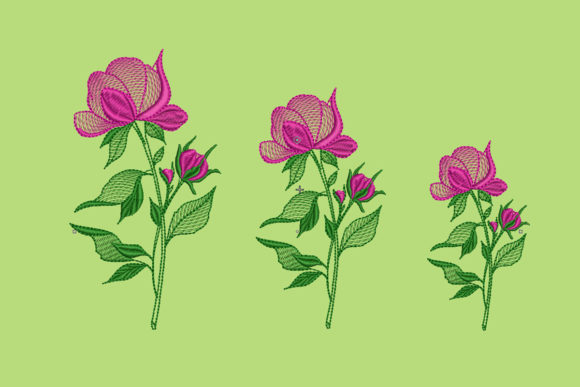
The initial product description mentions it’s “great for the kitchen,” and I must admit, that’s an apt starting point. The visual mood of this Peony design is classic and decorative, with a touch of soft elegance. It doesn’t scream “kitchen,” but rather suggests a thoughtful, homemade touch for a space often filled with utilitarian items. The detail level appears balanced—not overly simplistic, but also not so intricate that it would become a dense, stiff patch of stitches on lightweight fabrics like towels. Its stitching personality seems suited for both a charming satin stitch outline and likely some fill stitch areas for the petals, promising a nice texture.
This design naturally fits projects seeking a touch of floral warmth. Beyond the suggested kitchen towels and aprons, my mind immediately went to tote bags, simple pillow covers for a cozy nook, and even the bibs of baby items for a gentle, feminine accent. For Etsy sellers and craft fair vendors, this single flower motif is a reliable, evergreen design asset.
Real-World Performance on Common Products
The true test of any machine embroidery design is its application. I mentally ran this Peony through a gauntlet of typical projects.
On Apparel and Soft Goods
For custom apparel like t-shirts or sweatshirts, a design’s stitch density is crucial. A too-dense file can make stretchy fabric rigid and uncomfortable. From the visual preview, the Peony looks manageable, but I would absolutely test on scrap fabric first, especially if using it on a stretchy fabric or a dark fabric where thread color contrast needs extra consideration. On tote bags and aprons (typically made from canvas or cotton twill), it should perform well, adding significant value and a handmade presentation that elevates a simple functional item into a personalized gift.
On Challenging Surfaces
Embroidery on caps is a special beast due to the curved surface. Smaller designs with fewer long, continuous stitches are preferable. The Peony, as a Single Flowers category design, might be a candidate if its hoop size is suitable. This is a key point: I cannot see the listed stitch count or specific hoop size from the provided description. Before attempting a cap or any project, confirming the exact hoop size requirement on the Creative Fabrica product page is a mandatory step. The same goes for creating an embroidered patch; the design’s scale and detail clarity after stitching are paramount.
For Home Décor and Gifts
For pillow covers, baby blankets, or nursery decor, this flower could be beautifully centered or used as a repeating motif. Its success here hinges on using the proper stabilizer for the base fabric to prevent puckering and to ensure those potentially layered details (like petal overlaps) stitch out cleanly. A well-embroidered Peony on a pillow or blanket enhances visual appeal and giftability, making the finished product feel special and carefully crafted—a huge plus for boutique merchandise and handmade shop owners.
Practical Embroidery Notes for a Smooth Stitch-Out
No review is complete without the gritty, practical advice that comes from experience.
- Always Test First: Run this Creative Fabrica embroidery file on a scrap of your target fabric. This reveals any issues with stitch density, small details (like tiny lettering if included), and thread tension.
- Check Color & Contrast: Review the visual mockup and plan your thread colors. Consider creating both light and dark fabric mockups (even digitally) to see how the design translates. A design that looks good on a white mockup might need brighter or bolder threads on dark linen.
- Inspect File Details: The description states it comes with multiple embroidery file formats. This is crucial for machine compatibility. Before purchase, verify which formats are included to ensure they work with your machine.
- Confirm Licensing: For commercial embroidery and selling finished items, always, always confirm the file’s licensing terms on the Creative Fabrica product page. This protects your business and ensures you’re using the digital embroidery file correctly for Etsy listings or craft fair products.
- Consider Presentation: A cleanly stitched Peony can elevate your product photography. It adds a focal point that enhances customer engagement and builds buyer trust by showcasing a quality, detailed handmade product.
Final Thoughts: Is This Peony Worth Your Time and Thread?
The Peony design presents itself as a solid, versatile floral motif. Its suggested use for kitchen items is a good starting point, but its potential extends far beyond—into apparel, home goods, and personalized gifts. For apparel decorators, small business owners, and creative entrepreneurs, its classic style offers brand consistency if florals are part of your aesthetic.
The caveats are the universal ones: never assume hoop size or licensing. The practical steps of testing, checking contrast, and using proper stabilizer are non-negotiable for a professional result. If the provided file formats match your machines, and the scale suits your intended projects—from a delicate kitchen towel accent to a statement on a sweatshirt—this Peony could be a valuable addition to your library of design assets. It’s a design that, when executed well, genuinely increases the perceived value and charm of your finished product.