Maid Woman Embroidery: A Designer's Practical Review
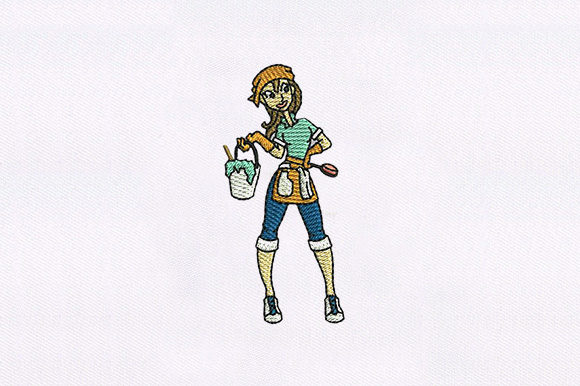
When browsing for new designs to incorporate into my handmade product line, a file named Maid Woman immediately stood out. From a professional designer’s perspective, the first impression was one of charming utility. The design has a playful, vintage-inspired mood, reminiscent of classic household imagery. It’s not overly intricate, but it carries a distinct personality through its clean lines and decorative appeal. Visually, it fits a niche: items related to domestic life, cleaning, or simply adding a touch of whimsical character to everyday objects.
Where This Design Finds Its Natural Home
In considering real-world applications, Maid Woman naturally aligns with several product categories. Its theme makes it a strong candidate for kitchen towels, aprons, and pillow covers for a cozy home aesthetic. For small business owners like myself, it also presents excellent opportunities for personalized gifts. Imagine a custom tote bag for a housekeeper or a boutique employee, or a sweatshirt as a lighthearted uniform element. The design’s size and style also suggest it could work well on baby items like bibs or blankets for a nursery decor set, provided the stitching details are managed carefully. For Etsy sellers and craft fair vendors, this embroidery file could be the centerpiece of a themed product line.
Performance on Actual Projects: A Pro’s Considerations
Before committing to a customer order, any experienced embroidery designer must evaluate how a design will perform in the hoop. For Maid Woman, several practical aspects come into play.
First, the small details. Any tiny lettering or fine features need close inspection. I would strongly advise testing this design on scrap fabric first. This lets you review stitch density in any potentially dense areas and check that small details remain clear after stitching. For projects on textured or stretchy fabric—like sweatshirts or caps—proper stabilizer choice is absolutely critical to prevent puckering or distortion.
Dark fabric presents another consideration. The visual appeal of Maid Woman relies on contrast. You’ll want to check thread color contrast carefully, perhaps creating light and dark fabric mockups to see how it pops on each. For curved surfaces like caps, the design’s layout and potential layered details must be assessed for compatibility with the smaller hoop sizes typically required.
A crucial note for commercial use: products like aprons or kitchen towels need frequent washing. A well-digitized design with appropriate stitch types—well-balanced satin stitches and fill stitches—should hold up. However, this is only true if the embroidery file itself is robust. Without knowing the specific stitch count from the product page, I recommend a thorough test on the intended final material to ensure durability.
Adding Value to Your Handmade Business
From a business perspective, a design like Maid Woman can significantly affect product value and customer perception. For handmade shops and creative entrepreneurs, the finished product’s visual appeal directly impacts buyer trust and brand consistency. A clean, well-executed embroidery on a tote bag or apron elevates it from a simple item to a thoughtful, giftable product.
It also aids in product photography and customer engagement. A distinctive, charming embroidered patch can become the focal point of your Etsy listing photos or printable mockups, telling a story that resonates with a specific audience. In a crowded marketplace, such thematic cohesion in your design assets helps build a recognizable brand.
Essential Pre-Use Checklist for Professional Results
To integrate Maid Woman into your commercial embroidery projects successfully, follow this practical workflow:
- Confirm the product details on Creative Fabrica. Check the listed embroidery file formats for your machine’s compatibility. Verify the licensing terms for selling finished products. This is a non-negotiable first step for any digital embroidery file.
- Run a test stitch-out. Use a fabric similar to your final product—whether it’s cotton for a towel, canvas for a tote, or fleece for a baby blanket. Inspect the small details after stitching.
- Determine the optimal hoop size. The product description doesn’t specify a hoop size, so examine the design dimensions in your software. Choose a hoop that comfortably fits the design without forcing excessive scaling.
- Plan your thread palette. Think about your final product’s color scheme. Does the maid woman design need bright, contrasting threads on a dark apron, or softer tones on a light pillow cover?
- Consider the end use. For items that will be washed or heavily used, like work clothes or kitchen towels, ensure your test stitch-out is secure and lacks any overly dense areas that might wear poorly.
Final Thoughts for Fellow Designers
Maid Woman is a Creative Fabrica embroidery design with clear commercial potential for those in the cleaning-themed niche or anyone seeking a vintage decorative touch. Its charm is undeniable, but its true worth is determined by its performance in your specific application. As an embroidery designer reviewing it for real projects, I see its value not in the download itself, but in how it translates onto the final medium.
It could become a beloved element on a custom apparel piece, a standout feature on a handmade gift, or a consistent brand marker across a line of boutique merchandise. However, its success hinges on your professional diligence: testing, adapting, and verifying the file details. Approach it not as a generic product description, but as a tool in your embroidery toolkit. Its suitability for your next tote bag design, sweatshirt embroidery, or embroidered patch project depends entirely on that careful, hands-on evaluation.