A Professional Review of the Roses Gnome Embroidery Design
As an embroidery designer who creates personalized gifts for small shops, my process always involves testing a design before it ever touches a customer’s fabric. Today, I’m reviewing the Roses Gnome machine embroidery design, imagining how it would perform in a real gift shop scenario. This isn't just about stitches; it’s about evaluating a design’s heart, its practical application, and its potential to become a cherished keepsake.
The First Impression: Elegance with a Playful Heart
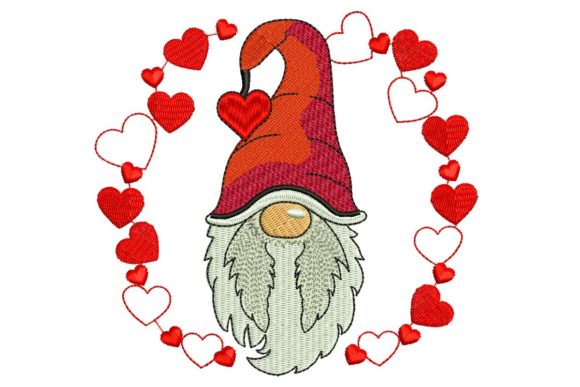
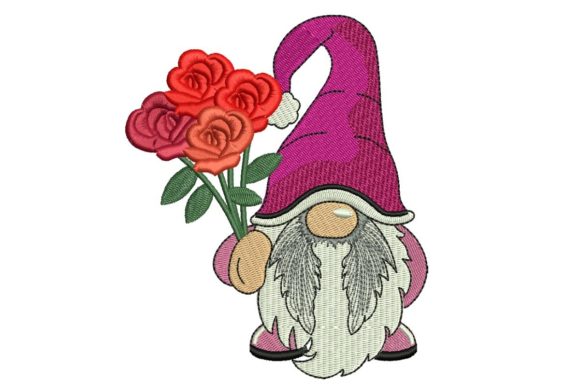
Opening the Roses Gnome embroidery file, the immediate mood is one of sweet romance with a touch of whimsy. The design balances elegance with a handmade charm, making it feel both classic and approachable. The detail level suggests it will translate beautifully into thread, with elements that promise texture and depth. This isn’t a stark, modern graphic; it carries an emotional appeal perfect for gifts meant to convey affection. For a Valentine’s Day-themed product, it hits the right notes without being overly cliché—it feels romantic, playful, and timeless.
Versatility in Personalized Gift Creation
The true worth of a machine embroidery design lies in its versatility. Roses Gnome shines here. For a baby embroidery project, it could transform a simple blanket or a nursery pillow cover into a heirloom. Imagine it on a personalized towel for a new mother, or subtly stitched onto a delicate baby garment. Its charm extends perfectly to wedding gifts—a pillow cover for the newlyweds’ home or a custom tote bag for the bride. As a family keepsake, embroidered onto an apron or a decorative wall piece, it tells a story of warmth and home.
For small business owners, this is a valuable digital embroidery file. An Etsy seller could use it across a whole line: embroidered towels, pillow covers, and blankets for craft fairs. A baby product creator might feature it on organic cotton items. A wedding gift designer could offer it as a customizable option for keepsakes. The key is the design’s adaptability; it feels special on a wide range of substrates, elevating the perceived value of the finished product.
Potential Applications for Your Small Shop
- Baby embroidery on blankets and nursery decor items.
- Wedding gifts like pillow covers or custom tote bags.
- Family keepsakes such as personalized aprons or framed textiles.
- Everyday luxuries: kitchen towels, pillow covers, and apron embroidery.
- Craft fair products and standout Etsy listings.
- Custom order previews using printable mockups for client approval.
Considerations for a Perfect Stitched Finish
While the description notes it will look elegant on any fabric, a professional approach requires careful planning. For a handmade product to build customer trust, every detail must be pristine. Based on the design’s likely composition, here are points to test before commercial embroidery.
Small lettering or delicate botanical details within the Roses Gnome design need particular attention. Test on scrap fabric first. Check thread color contrast, especially if venturing onto dark fabric. A high-contrast palette might be needed to maintain clarity. Textured fabric or thick towels require a sturdy stabilizer and possibly adjusting stitch density to prevent puckering. For stretchy baby clothes, extra stabilization is non-negotiable.
Curved surfaces, like on a tote bag, demand careful hooping. Always confirm the required hoop size with the file before starting. After stitching, especially on items like blankets that need frequent washing, check small details for integrity. A robust stitch density will ensure longevity. Comparing light and dark fabric mockups digitally before stitching helps visualize the final product and aids in product photography, which directly impacts buyer engagement.
Practical Embroidery Notes Before You Stitch
- Always test the embroidery file on scrap fabric identical to your final product.
- Check thread color contrast for your chosen fabric background.
- Confirm the exact hoop size needed from the design’s specifications.
- Review stitch density and use the proper stabilizer for the fabric texture.
- Compare digital mockups on light and dark backgrounds.
- Inspect all small details after the first sample is stitched.
- Crucially, confirm commercial licensing terms before selling finished products.
Elevating Giftability and Customer Connection
From a gift shop perspective, the Roses Gnome design directly enhances giftability. An embroidered towel or pillow cover featuring this design isn’t just a commodity; it’s a narrative. It speaks of thoughtfulness, which increases the perceived value. This emotional connection is what turns a buyer into a loyal customer.
The handmade quality evident in a well-executed stitch of this design fosters immense customer trust. For an Etsy seller or small shop product, photos showcasing the intricate embroidery can significantly boost buyer engagement. The design’s inherent charm makes it photograph well, telling its own story. When a customer seeks a meaningful gift—for a Valentine, a newborn, a wedding, or simply a friend—this design offers a vessel for that sentiment. It feels personal even before the customer’s name is added.
In the end, my review as a designer testing for real-world use is positive. The Roses Gnome machine embroidery design holds strong potential for personalized gift businesses. Its sweet elegance translates across applications, and with diligent technical preparation, it can produce finished products that look gorgeous and stand the test of time and love. The final step, as always, is to verify all technical details from the provider—hoop size, file formats, and license specifics—to ensure your creative and commercial success.